Tag Archives: chickens

Clover Hill Heritage Farm Photo’s

Image

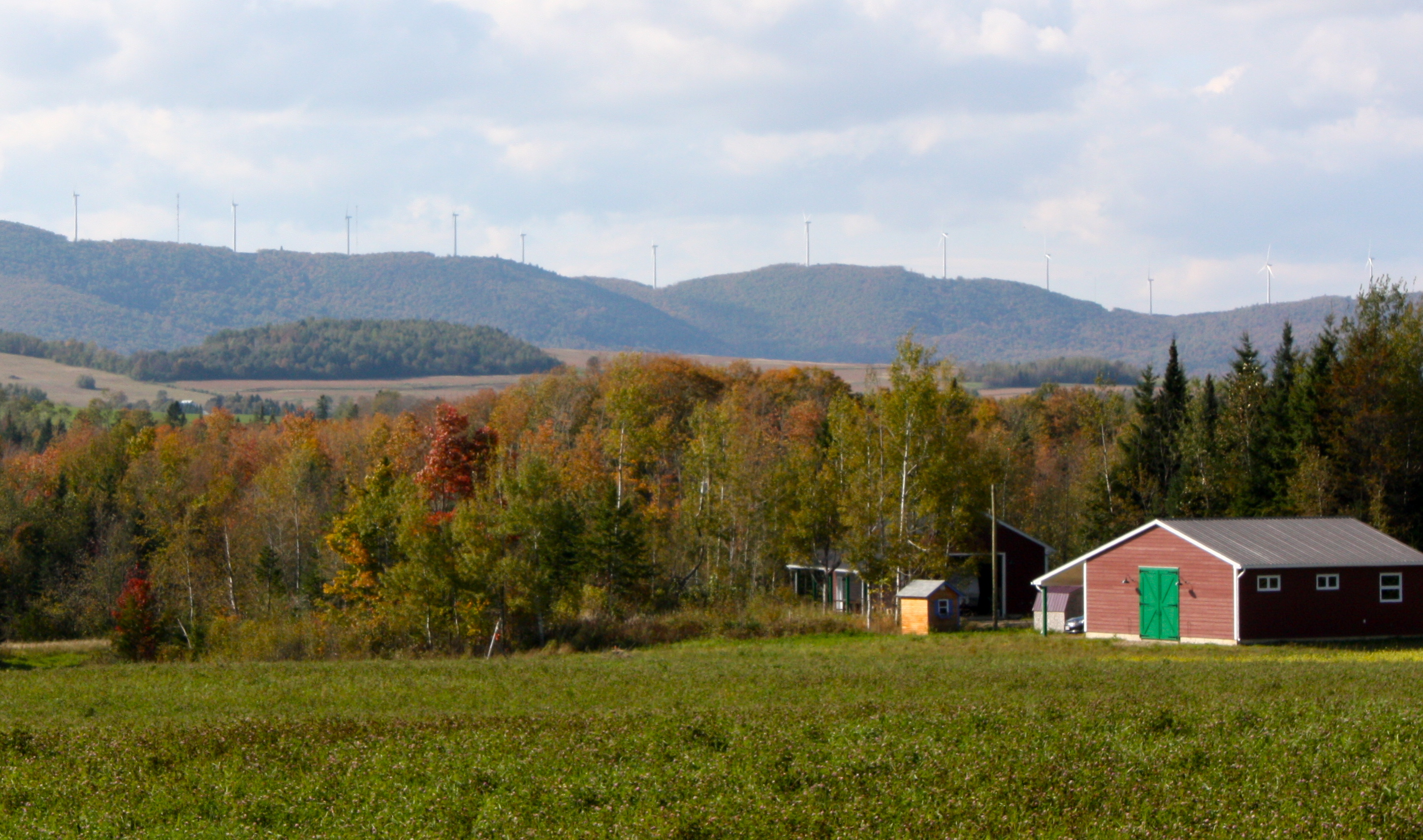
Mars Hill wind farm,in Maine, can be seen behind us on the ridge. You can make out sticks on the top of the hill that are the windmills.

As seen from our field, this is the barn, built last summer, but the photo was taken in October when the leaves were changing. Behind it you can see through the trees, is the workshop built the year before.
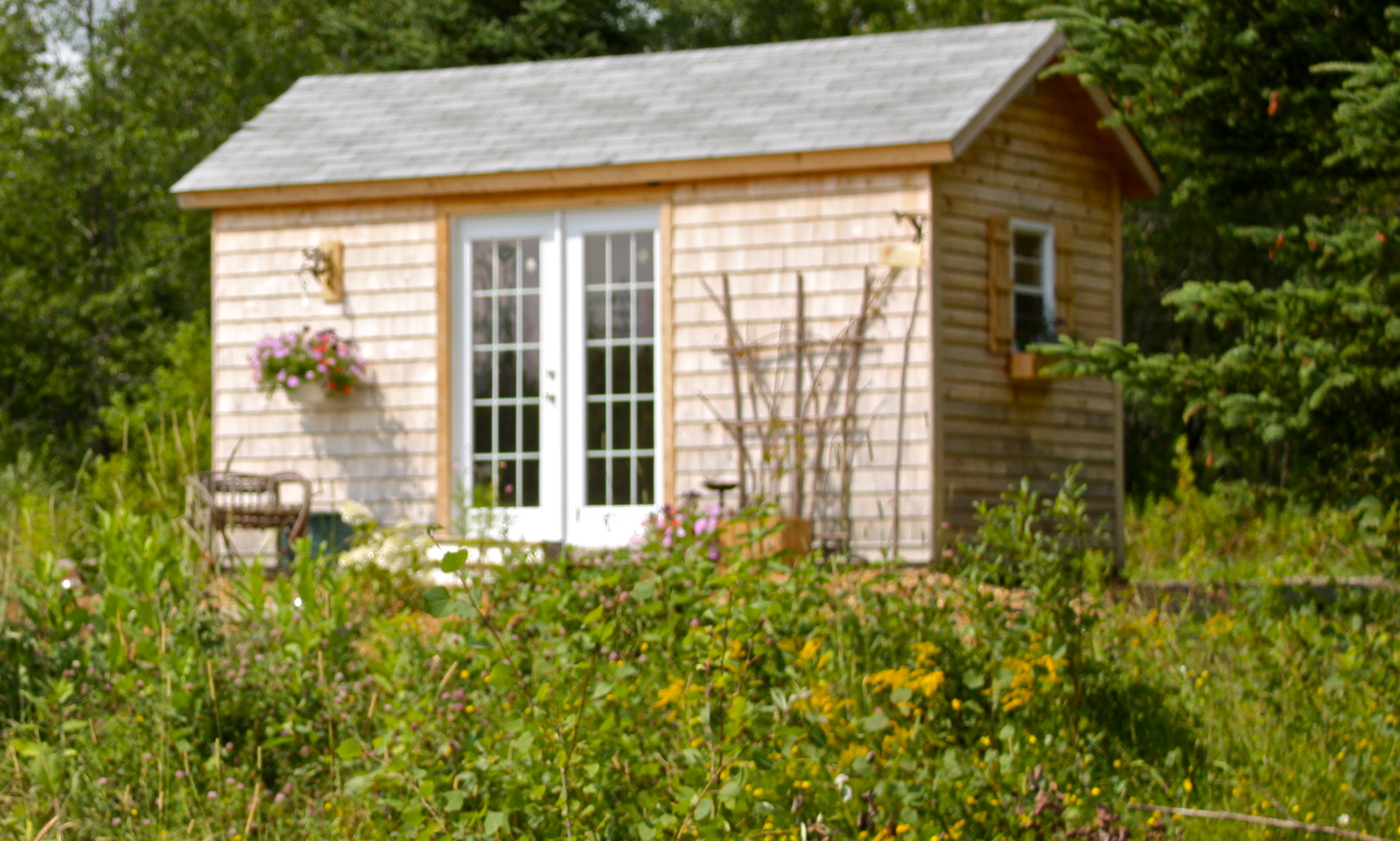
This guest cottage only had two guests last summer. (it didn’t get finished until August) I hope it gets more use this summer. Great for sleeping when the nights are cool, but it sits out in the open, alongside the orchard and heats up during the day – making it quite stifling midday. Maybe we’ll get to insulating it at some point to make it comfortable no matter the time of day. It needs a coat of paint or stain, and a shade tree beside it. It keeps the rain off and the critters out, though.
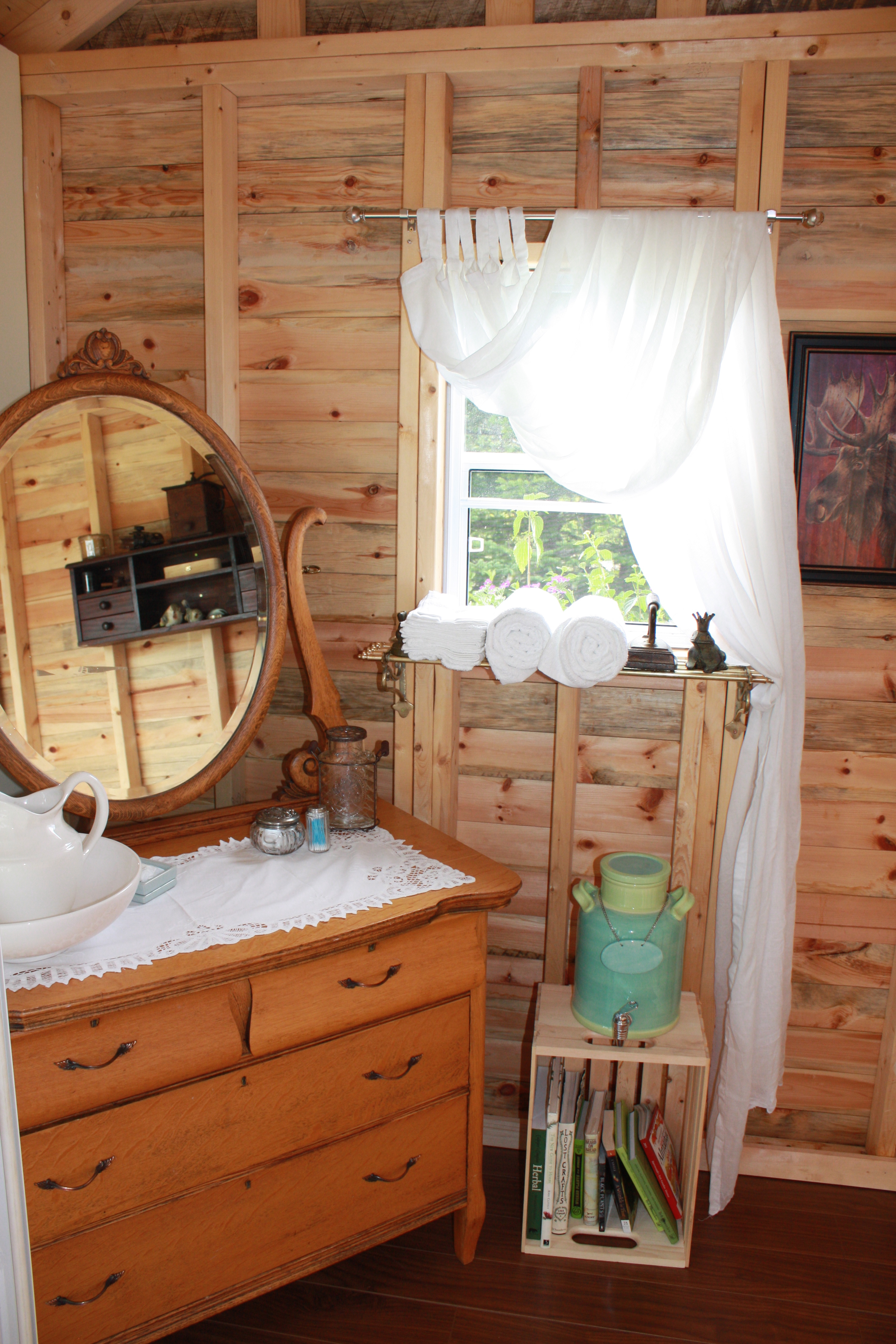
I loved the whole process of setting up this little cottage. This one was built off farm, and delivered to us on a flat bed truck. It was amazing watching it being pulled off the truck and slid to the level spot chosen for its' view. The next few will be built by us, a little bigger, hopefully, with room for a small fireplace or cookstove, and perhaps we'll get creative with outdoor solar showers, or in-ground bath-tubs! I would like to make a spot for a fire pit to set up a tri-pod and chain to hang a cooking pot. Maybe set up a little oasis back there for private morning coffee. As with everything, the ideas are evolving.

This Coop is 8' x 10'

The chicken coop window boxes

The chicken coop was more or less finished in 2010. It’s been painted, had flowers planted around it, but the nest boxes aren’t done and neither is their screened-in-run. They will free range, but I want a place for them to go to hide if there are hawks, eagles, racoons, weasels, or any other predator that loves the taste of chicken. It’s large enough for 15-20 chickens (although I will likely only have a dozen) and has a spot that would work well to place a brooder. It is tall enough to place a small loft for feed storage, too.

The window boxes have some kind of ornamental pepper in them and another kind of draping annual of which I don’t know the name. I got them from the garden centre and thought they were pretty. I’ll plant seeds in there before the chickens come, and they will be pansy’s and stocks. The perennials along the side are Monkshood, Lily, Delphinium, and Cranes Bill geranium.

Some of these flowers aren’t good for chickens, if they eat them, so they will be moved in front of the house when it is complete, or donated to a neighbour who doesn’t have chickens. The screened in part will be at the back, away from the window boxes and surrounding a walnut tree there.

Your brother’s a rooster

Standard

free rangin'

The latest reading I’ve been doing is about keeping chickens and a breeding program that will ensure genetic diversity. For the small farm flock, this can be a real challenge. You can’t just let your hens lay fertilized eggs, hatch them out and carry on for years that way. If you think about it, after the first year hens are having babies that are also their brothers and sisters. The old Royals know from experience that this can lead to some unpleasant traits.  So, then, how do you make sure that your birds have sound genetic background and continue to improve the flock you have year after year?

Well, there are several acceptable ways to go about this. One way is to make sure that you always have a rooster from outside the farm. Borrow a different one for each new hatching season. Trade roosters with neighbouring farms, if you know your neighbours flock and trust their breeding techniques, or buy a new one from a hatchery every season which will help with the strength of genetic diversity as hatcheries tend to be very careful in this area.

I read one way was to divide your flock into two groups. One group never breeds within their own group. Breed only one group per season. Roosters from group one breed with hens from group two, then the next season roosters from group two breed with hens from group one. This will still result in some inbreeding but it is apparently considered an acceptable amount. I would imagine that years down the road it becomes a non issue and if you had received your starter chicks from a hatchery, the chances of any of them being related to each other from the get-go is relatively small.

Another method is to divide your flock into three groups which will diversify even further. Roosters from group one breed the first season with hens from group two and from then on group one only breeds with group two. Roosters from group two breed with hens from group three – from then on, as well. Roosters from group three only breed with hens from group one. This method eliminates the need to find unrelated roosters, so if you live in a remote location or would like to try your hand at improving your own flock without outside influences, this might be the method for you. I see this method as the most practical for our farm simply because we will be trying to be self sustainable. The less we have to go off the farm for anything, the more efficient our operation will be.

There are other methods of breeding poultry that I haven’t covered here. For in depth information you can check out the websites listed below or contact your government agricultural representative for advice.

http://www.world-agriculture.com/poultry/poultry-breeding.php

http://www.raising-chickens.org/chicken-breeding-methods.html