Beginnings….

Standard
Beginnings….

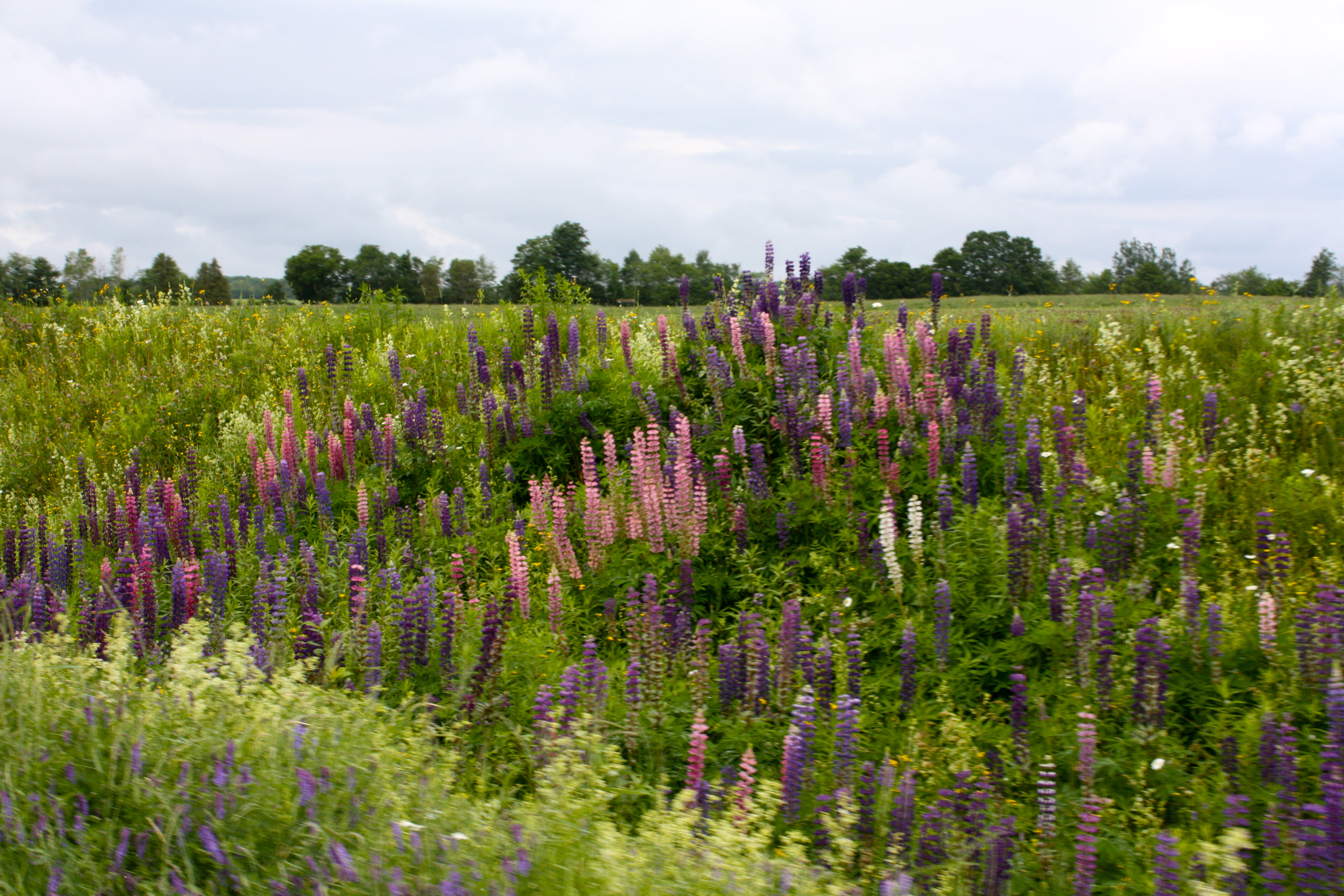
Wild Lupins

Five weeks I have been here at the farm and five weeks I have been working non-stop from early morning until almost dark – until my legs give out and my soul is tired.
“So much to do, so little time” my father use to say. Never have these words been so true to me.
We arrived on the 26th of July. We took a brief look around the farm to check for growth and map out a spot for the trailer to go once we pulled it from the workshop. We checked out the progress on the barn and then left for the nearest Best Western.
We were tired then – after nine days on the road, most of them through flooding in North Dakota, Minnesota, and Wisconsin, and with a ten year old boy tired of sitting in a car.
The dog was the optimal traveller. She kept quiet just inside the hatch – slept most of the way and ran around gas station green belts in brief spurts before surrendering to the heat in the Kia for another long haul. The occasional Milk Bone seemed to make the trip bearable.
Once we were here, though, our juices began to flow again. We breathed with more determination and spirits lifted.
Set up took much longer than any of us anticipated. New equipment needed to be assembled and inevitably tested before we could get started on the mountain of work to be done.
This part is the most frustrating in any new enterprise and my advise to those in the planning stages of anything of this nature is to wait before inviting company to join in the “FUN”.
We had a bunch of family “helpers” join us during the first weeks of our arrival. We purchased the land four years ago, but this is the first year there is both water and power, making visitors more comfortable and work a lot easier. However, learning our new vocation and how to operate its necessary equipment is unquestionably easier to do without an audience. No matter how eager to help and patiently they await direction, it can be very frustrating for them, as well, when you haven’t the first clue how to start a project until you get in there and try it yourself.
That said, it was gloriously busy and in many cases easier to have someone laugh with you at the end of the day.

Packing up the car…..

Standard

Kings Landing

Just outside one of the cottages at Kings Landing New Brunswick

…and heading East!
Under a week, and the trailer will be packed, and we will head off toward the morning sun.
I must admit I am a little overwhelmed with the number of tasks that need to be completed before I go. I am thigh deep in laundry, and have piles of tools, implements, and manuals that will need to find their home at the farm.
The plan is to head out early, stop for breakfast on the road, continue until lunch, then drive again until 2:30 or 3:00 when we will find a hotel with a swimming pool and swim the road off of us.
It should take us 5 or 6 days to arrive in Toronto where we will spend a day or two, pick up my eldest daughter, and get on the road again.
I have arranged the purchase of 8 baby chicks when we arrive in Fredericton. Barred Rocks – speckled black on white, or the other way around, and we will raise those this summer.
I ache for the farm under my feet and all around me more and more each year. I cried when we left last summer. I suspect I will again this year. I’ll let you know.

Orchard in bloom! … at least I think so.

Standard
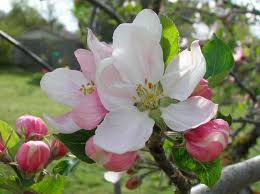
Apple Blossom

Cortland and Honey Crisp Apples, Anjou and Flemish Beauty Pear, Italian Prune Plum and Golden Plums, Sweet Cherry and Sour Cherry, Butternut, Walnut and Filbert.

Right about now some of the trees will be in full bloom. I planted this orchard last summer before I had equipment to turn soil and till it up. There was a really nice excavator guy who was digging the hole for the foundation of the workshop and I asked him really nicely if he could turn the grass over on a small spot in the meadow. Okay, so I gave him $100, too.
He did a pretty decent job turning the soil but what I didn’t factor in was that this piece of grass here, had not been farmed or turned or likely even broken for over a decade. I decided, having already parted with $100 that I had to make the best of this spot and made a bargain with my then eight-year-old son that I would pay him a nickel for every rock he pulled out of there that was bigger than his fist. By noon I owed him $10, by four o’clock, close to $35. Okay, at least the job was done and all I had to do was dig the massive holes to put the roots.
It was thirty-six degrees(C) that day and not a cloud in the sky. I did what I had to do. I turned on the sprinkler, attached to a hose, attached to the pump atop the well and plugged into the gas powered generator, and started digging. The sprinkler was not for the soil, it was for my back, and strategically aimed at me for the duration. After each hole was dug, I adjusted the spray for the next hole to be dug. By the end of the day, we were all well watered and seemed to be doing fine.
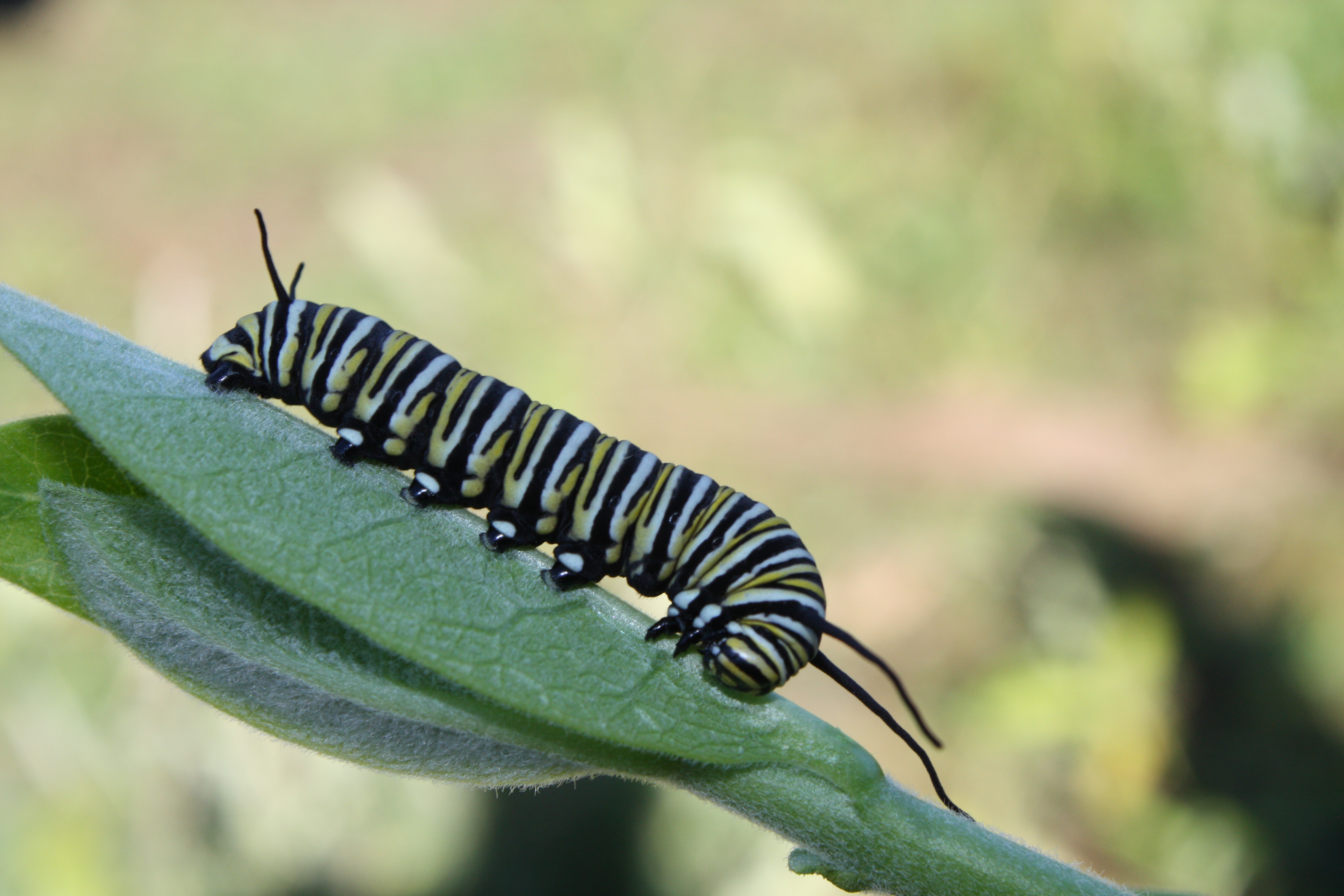
This meadow is on a slight slope to the south, maybe 15 degrees or so, and has lots of grass and milkweed with a few raspberry canes here and there. I will have to pull the raspberries and a few of the milkweed (reluctant to disturb these as we have a fantastic population of Monarch Butterflies laying eggs on these)

Monarch Caterpillar on our milkweed in the meadow

This year, I got a tiller for my birthday! Rates up there with the most perfect birthday gift of all time, for me.
I’ll run it through the centre isle of the orchard and till up some of the ground on the other side of it to add a few more trees.
I hear that Quince grows well in the Maritimes. I have never tasted Quince, but I have seen a few recipes for pies and pastries that call for it, so maybe it is worth planting. I know they look like pear, but beyond that… no clue. If anyone has a tasted description for me, I’m all ears.

Garden planning

Standard
Garden planning

I’ve been working on the garden plan.
Initially, I thought this would be easy because in the past, I have had to cram too many veggies into too small a space, then stuff all the pretty flowers bought at the irresistible garden centre in-between. With this garden, I have more space than I could ever use, but with more options come more decisions.
100 ft. X 100 ft. of market garden has left me with infinite possibilities!
I know I want to plant the garden so that I have different vegetables ready to harvest at the same time, so I can offer variety at market.
I have dug into all my books, and several internet sites to help me out.
Two things I must keep in mind are
1) the possibilities of companion planting. Companion planting in a nutshell means that there are some veggies that work really well together. Some will be thirsty for nutrients of which the other needs less.
Lettuces, for example, prefer shady areas or areas that get dappled shade, so planting them under corn which requires plenty of sunshine, makes sense. Basil and tomatoes planted close together do better than if they are planted alone. There are so many of these companions that trying to get them all hanging out together in the garden makes perfect sense but can be a bit of an organizational nightmare.
2) Crop rotation throws another challenge at the situation. Crop rotation is good for a few reasons. First, some garden pests, after the first season, get to know where you plant your broccoli and have set up permanent homes right there with their favourite foods. Second, some plants, take peas for instance, are nitrogen rich and will replace nitrogen in the soil, making it available to the next crop placed in that plot, where other plants may use more nitrogen and leave the soil depleted. Rotating crops so that the soil is left in good condition for the specific needs of the next crop, takes the need for soil amendments way down.
From now on, we will be taking very good care of our soil. Most especially in the next few years as we will be getting our soil tested to find out what specifically it needs to grow vegetable crops.
This summer, before the soil is tested, I will stake out the placement of the garden, till the soil and remove any large rocks. A deep layer of manure will go on top of the tilled soil. Then a thick layer of straw, grass, leaves and other vegetable matter. Some bone meal and or seaweed meal to make up for several years of fallow land. Then the whole area will be covered with black landscape fabric which will let in moisture and warmth from the sun but get so hot under there that weed seeds will be killed. By the time we get back there next year, we’ll peel off the landscape fabric and the ground should be wonderfully nutritious for its first planting. We’ll test the soil and see if it requires a tweak here or there, and we are off to the races!!
I’ll have oodles of space for early tomatoes, peas, both dried and string beans, beets, swiss chard, carrots, parsnips, brussels sprouts, asparagus, artichokes, pumpkins, summer squash, lettuce and spinach and every other vegetable seed I can get my hands on. I’ll be saving seed from these gardens, too so need to be careful to only plant one variety at a time so I don’t cross pollinate and come up with untrue varieties. I am using heirloom seeds, after all. Don’t want to mess ’em up!

I am open to suggestions on what to plant, so if you have a favourite, let me know and I’ll give it a go!

I have planned out a few other gardens that I’m not sure I will be able to start on this summer, but I’m sure going to give it my best shot. The medicinal garden, the herb garden and the kitchen garden.
Things like “Devil’s claw” or “Harpagophytum procumbens” is its botanical name, for the medicinal herb garden. This herb is from the sesame family and its’ root is used to reduce pain and fever as well as to help with digestive issues. Its seed pod is what I suspect gives its the sinister name. It looks like a large black, twin tined claw.
Another plant for this garden is “prunella vulgaris” or “Heart of the earth” or “Common self-heal” or ” All Heal” which, as its name implies is used for an antiseptic, an antiviral agent, and inhibits growth of bacteria, too! All parts of the plant are edible and it looks really pretty in a salad. It grows almost like a lavender flower. Look for it – it’s gorgeous!

Spearmint, Lemon balm, Fennel, and Thyme are just a few of the herbs that will go both in the kitchen garden and the herb garden. I think they warrant the two spots since I use them so much.
I hear it’s always a good idea to plant Rosemary by the garden gate, to keep a happy home. Just superstition, I’m sure, but I’m not above paying attention to a little superstition now and again.

I will take a bunch of pictures of the gardens before, during and after preparations to give you an idea of what’s entailed.
Meantime, I hope you are all enjoying the planning stages or planting stages of your own gardens!

Your brother’s a rooster

Standard

free rangin'

The latest reading I’ve been doing is about keeping chickens and a breeding program that will ensure genetic diversity. For the small farm flock, this can be a real challenge. You can’t just let your hens lay fertilized eggs, hatch them out and carry on for years that way. If you think about it, after the first year hens are having babies that are also their brothers and sisters. The old Royals know from experience that this can lead to some unpleasant traits.  So, then, how do you make sure that your birds have sound genetic background and continue to improve the flock you have year after year?

Well, there are several acceptable ways to go about this. One way is to make sure that you always have a rooster from outside the farm. Borrow a different one for each new hatching season. Trade roosters with neighbouring farms, if you know your neighbours flock and trust their breeding techniques, or buy a new one from a hatchery every season which will help with the strength of genetic diversity as hatcheries tend to be very careful in this area.

I read one way was to divide your flock into two groups. One group never breeds within their own group. Breed only one group per season. Roosters from group one breed with hens from group two, then the next season roosters from group two breed with hens from group one. This will still result in some inbreeding but it is apparently considered an acceptable amount. I would imagine that years down the road it becomes a non issue and if you had received your starter chicks from a hatchery, the chances of any of them being related to each other from the get-go is relatively small.

Another method is to divide your flock into three groups which will diversify even further. Roosters from group one breed the first season with hens from group two and from then on group one only breeds with group two. Roosters from group two breed with hens from group three – from then on, as well. Roosters from group three only breed with hens from group one. This method eliminates the need to find unrelated roosters, so if you live in a remote location or would like to try your hand at improving your own flock without outside influences, this might be the method for you. I see this method as the most practical for our farm simply because we will be trying to be self sustainable. The less we have to go off the farm for anything, the more efficient our operation will be.

There are other methods of breeding poultry that I haven’t covered here. For in depth information you can check out the websites listed below or contact your government agricultural representative for advice.

http://www.world-agriculture.com/poultry/poultry-breeding.php

http://www.raising-chickens.org/chicken-breeding-methods.html

Travelling with…..

Standard

The date is closing in and I have much to do. My sweetie has finished the trailer walls just in time for several days of rain. We will have to wait for a dry day or two before we start loading.

I have made list upon list of things to take. 1. The 3 gallon antique butter churn with a crank on the side and a spigot to drain buttermilk (will likely be a while before I make that much butter but it was available at a great price and I will use it before market days!) 2. The hammock and banjo for my sweetie to finally relax after so many months of days too long, missing supper, and working weekends. 3. A bed and dresser for the little guesthouse. 4.The bedding, 5. window panels, 6. rug, 7. wash-basin and 8. water pitcher & chamber pot. Yup, that’s right, chamber pot!

Then there is all the equipment acquired in the last few months for jobs at the farm. The chipper for twigs up to 8″ diameter (if you can believe it) and the log splitter!

Yup, that trailer is going to be holding some pretty valuable stuff. Not monetarily, though I suspect it would be expensive to replace, but in “necessary to the goal” and “make my life sooooo much easier” categories, invaluable.

I am sad to report that my travel companion – G – is not able to join me this trip. On the up side, she has landed a wonderful job that she loves and is gaining fantastic experience while making pretty decent coin!  So as sad as I am to not have her with me this summer, I am thrilled for her and look forward to perhaps having the pleasure of her company next year instead.

On that note… meet my new travel companion… Ella

Three feet at the shoulder, she is not fully grown yet. She thinks she is a lap dog.

Ella is our great dane. Surprisingly sweet and gentle unless you show no fear and wrestle with her. Then she will lay you flat with one stroke of her paw. She allows little kids to pull on her tongue and count her teeth, ever so slowly, while she keeps her jaws apart and her mouth dries up, she waits….. till they are done….. which sometimes takes a very… very… long time.  She is a darling dog and a very good traveller. I shall be lucky to have her for company.

My first quilt.

Standard

I have been doing a little poking around on websites and blogs about farms that have started to use their places as destinations for weddings or other functions.  This idea appeals to me because I have some event planning background that I enjoyed and because you can’t beat one more income generating avenue open to you.

I saw a photo during my recent poking, of a hayfield with square bales set up on either side of a wide isle. The bales had homemade quilts thrown over them for the guests to sit and at the end of the wide isle was an arbour and alter for the wedding ceremony.  I loved this photo. I loved this idea. The country, homey, casual atmosphere seemed perfect for an occasion held at the farm.

So, from there I started thinking about other considerations for hosting such an event. Where do your guests sleep?  What are the logistics for feeding a large group? Where and on what dinnerware? Entertainment?

I have a few places for guests to sleep this summer.  A small guest house will keep two comfortably, our travel trailer can sleep up to 12, but not that comfortably. The barn will be completed likely the first week of July and will have hot and cold running water as well as electricity, so we could set up a bunkhouse situation in there since we don’t have animals. Then there are always tents. I love tents. Not the nylon modern dome type but the safari canvas variety!! How romantic to see unbleached cotton canvas dotting the field with small campfires in front of them like a little gypsy village! Yes, that is more like it.

As far as dining is concerned, I figured pint sized mason jars will work nicely as beverage containers. I will need hundreds of them to put up food for winters, and they may as well double as ginger beer vessels until they are needed for their primary purpose.  Dinner plates and flatware, along with banquet tables, may be the things we need to rent for large parties, but if it turns out we are going to have a lot of them, I have found some great websites for wholesale or case-lot sales. The VV boutique for unmatched dinner plates is also a reasonable option.

Then we set up banquet tables, use the same bales with quilts for the seats and all that is left is the bountiful meal!

Our adobe oven should be big enough to handle a few roasts. If it can bake 16 loaves of bread at a time, beef and chicken should be a breeze. Huge vegetable salads and a campfire with a big kettle for ear corn; potatoes, boiled, baked or roasted in with the meats and we will have a feast fit for royalty!

From there it isn’t hard to imagine lanterns being lit, a few guitars and a banjo strumming, maybe a fiddle playing. The bales are moved to the outside and the dancing continues into the night.

Yup. That’s how it should go, and this was the original inspiration for my first quilt.

We have friends getting married in the middle of June. Coming up with the perfect wedding gift for these two was no more difficult than seeing that picture. A wedding with quilts, the very symbol of home and a life spent together in love embodied in that cozy home-made textile.  So I headed to the fabric store.

planning stage

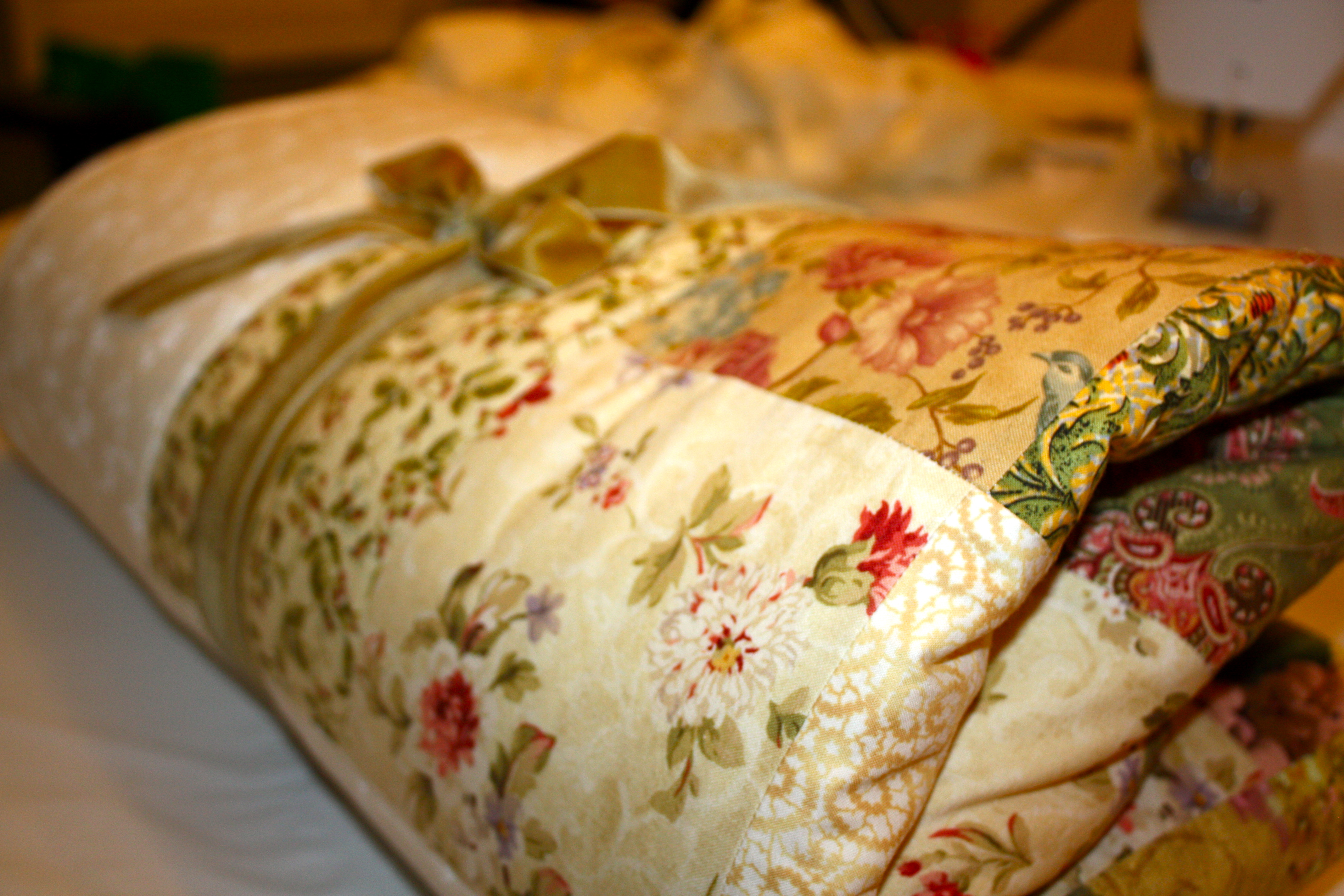
I love green, so I loved all these fabrics. Okay it might be a bit girly, but I thought the colours were rich enough to pull it off.

All wrapped up with a ribbon to give away to the happy couple

I have to admit, I have caught the quilt making bug. Next time I may try a pattern, since I think I made it a little harder on myself designing as well as sewing. Trial and error, mostly error, dictates that I not try to reinvent the wheel every time I try something new… or maybe I will do it exactly as I did this time, but with a little experience under my belt.

Bottom line is this quilt turned out okay and it was made with an original design, some pretty, complimentary fabrics and a whole lot of love so I will view it as a resounding success and try it again.

Aside

Got word from our builder today that construction will start on the barn at the beginning of May! I can’t believe how excited this makes me. Well, yes…. actually I can.  The barn will be mostly built by the time I get out there this summer!!

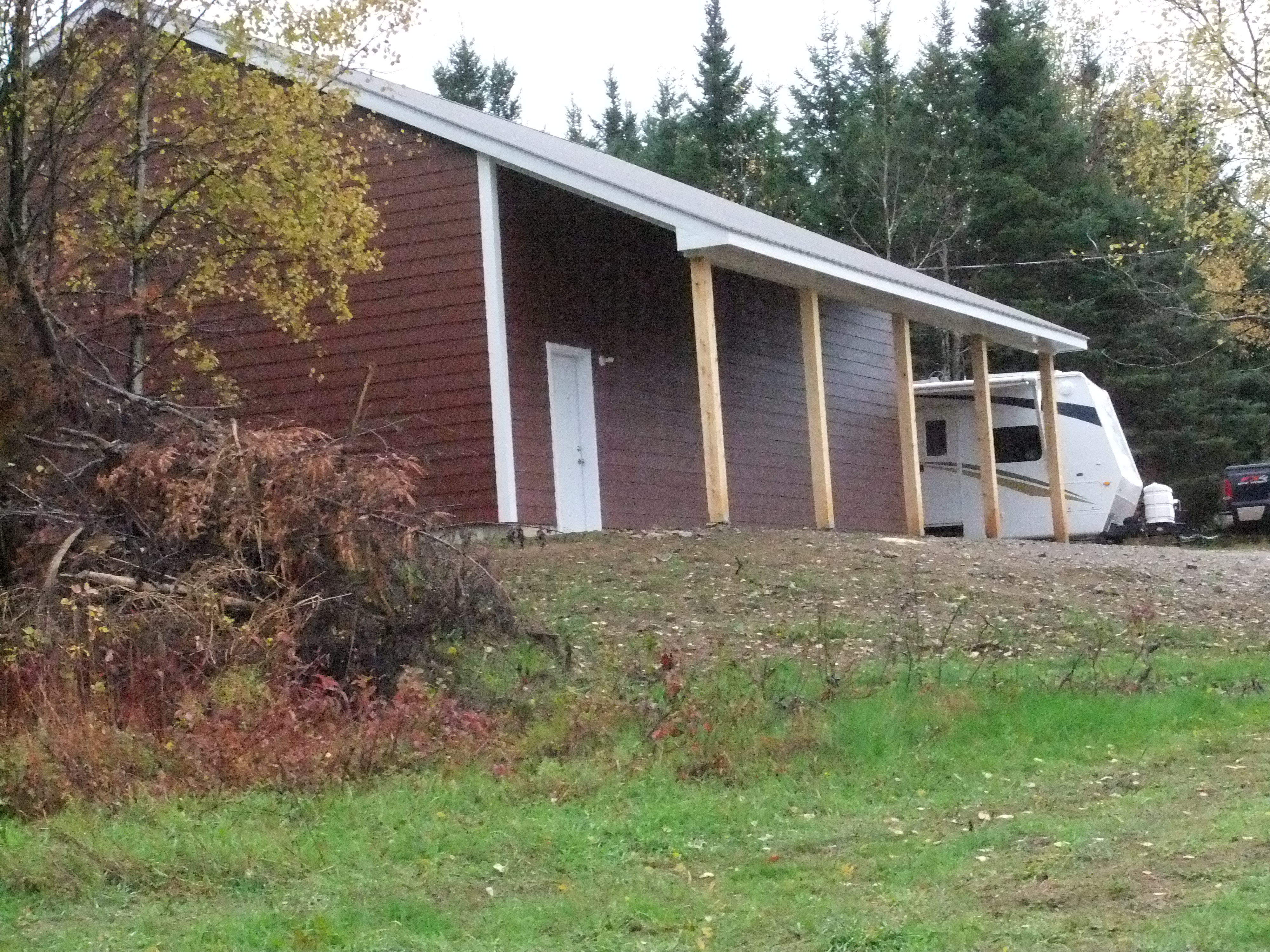
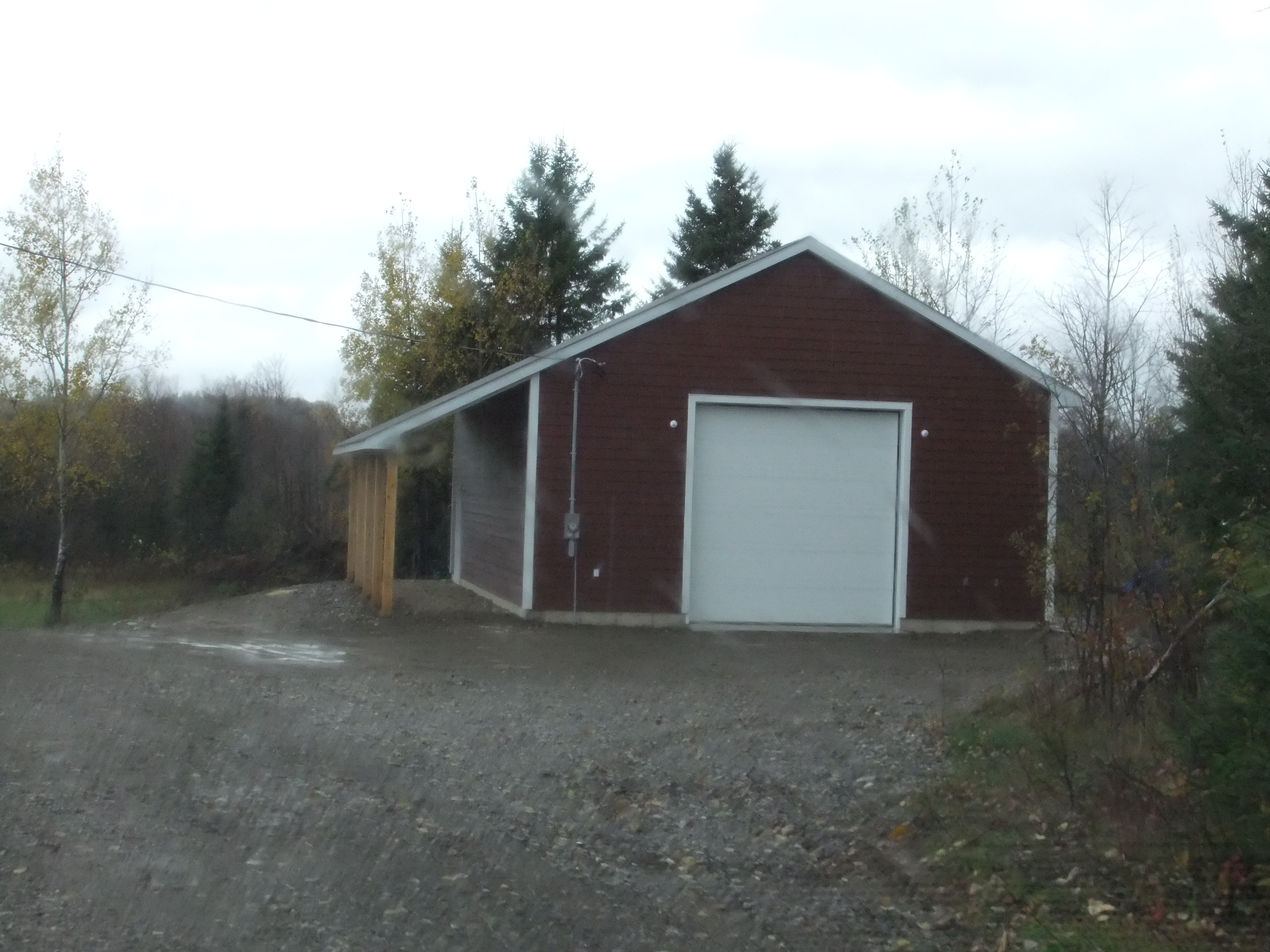
There are three large 12′ x 12′ stalls, one 12′ x 12′ washing stall with milking station and sink. A 12′ wide centre isle sloped to the centre with drainage reservoir  and a 36′ x 10′  storage room at the end for feed and tack.  The outside walls are made of a concrete composite plank siding which is fire proof and all walls are insulated with earth friendly batting.  Before there are critters housed in there, I suspect it will make a handy flop house for guests as it will be the only place this year with power and water in the same location!  I will post pictures when I am able to get them but for now, here are pictures of the workshop built last year:

I am still in the planning stages of so much of the layout of the rest of the farm and schedule so these next few months here and the summer months there will be spent finalizing all this.

The orchard trees were ordered considering their varying ripening times, to make harvest of fruits a smooth flowing procedure, rather than complete chaos of trees ripening all at once. Our fruits should come into season one after the other from Early May, to November.

Early May – rhubarb, June – strawberries, early ripening blue berries, then raspberries and black berries in July.  At the end of summer gooseberries, early plums and cherries, then one variety of apple, then the pear, then the other variety of apple, the four varieties of quince in October and finally the walnuts, butternuts and filberts in late October or early November.  All will come, mostly, after we have had enough time to process the previous batch of fruit and with a sufficient gap from end of August to September to process all the last veggies from the market garden.

I know, of course, that this is only if all goes according to plan, which it likely won’t.  So, we will play it by ear but with our eye on the plan and figure out where it goes from there.  I expect we will have several ‘operational tweaks’ in our future.

It is with all this in mind that we have decided to spend the first year with only foul. Turkeys, chickens, ducks and geese. This gives us time to focus on growing hay enough to stockpile the year before we acquire any  livestock that would require it. The same goes for oats, and perhaps barley and alfalfa.  Hard red wheat will be grown in a few years, as I would like to make flour and try my hand at storing the wheat berries for future.

A pond would be wonderful, but likely not on the agenda for this year. It would be great to dig, line with clay and wait for next year to watch it fill up but there is still a bunch of research that needs to be done to ensure a healthy pond.  I would love to be able to stock it with fish, but fear that unless it is terribly deep, the water will be too warm to keep fish worth eating.  Lots of questions to be answered yet on this seed of an idea.  I’m sure the ducks and geese would love a swim, too, so I will get these questions answered first.

The lilac grove, rose garden and lavender fields will all be gradual additions and have plants added as we find a suitable variety or a favourite. I will start on a perennial garden this summer and perhaps prepare ground for cut flowers the following year. I am so looking forward to chipping twigs for pathways and having a stroll through all that delicious flower smell!

New Barn!!

Trellis – home made

Standard

Trellis - homemade

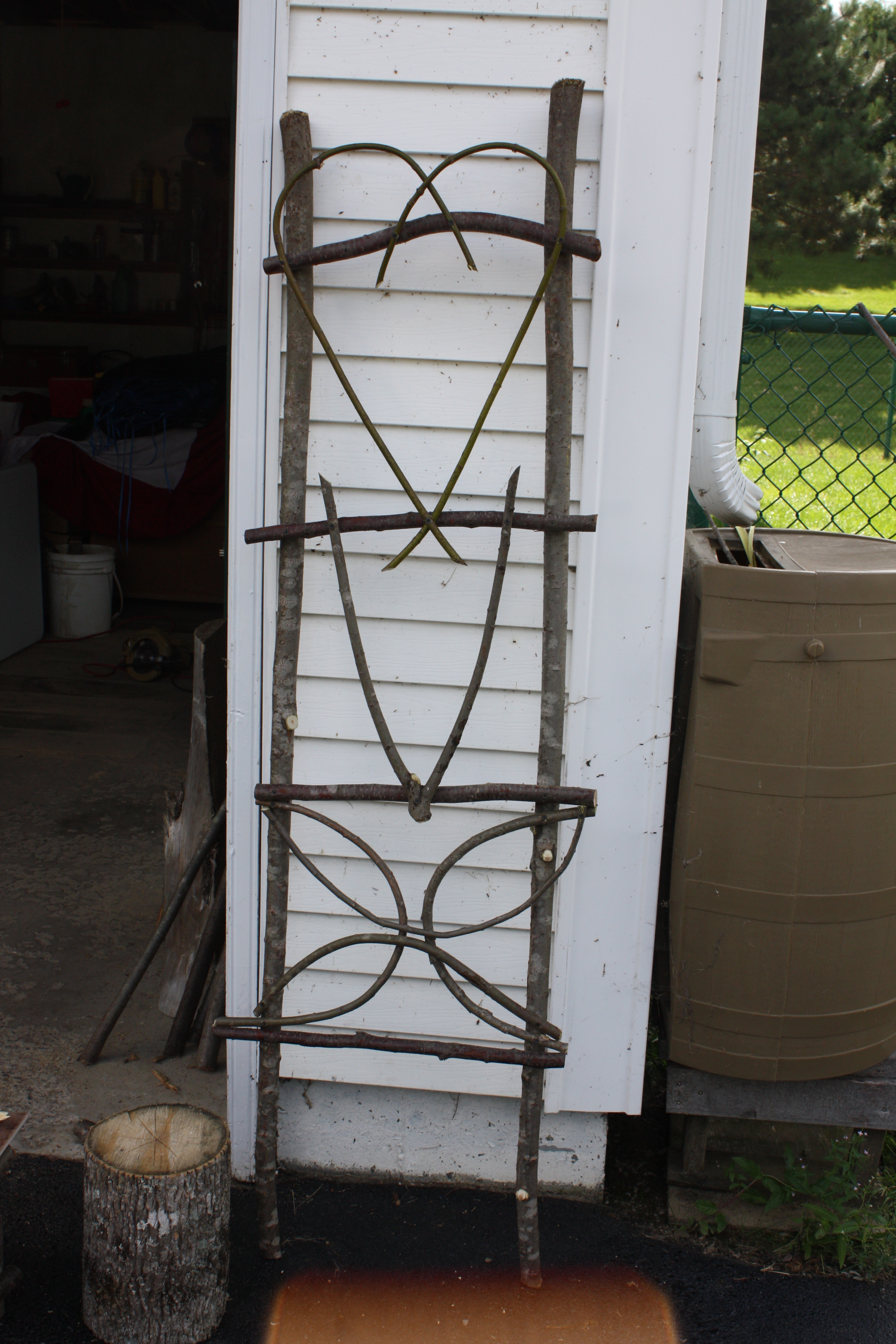
I know that in the west, our material of choice for such things would be willow or dogwood or both.  The heart at the top, here, is bent out of dogwood and the rest is alder.  My son and I, while at the farmers market in the area, met a lovely woman who offered us lessons on how to make trellis’ and chairs for $25.  Well, how could I not take her up on her generous offer?

So the following week, we headed into town to her place where her driveway was set up with buckets of water with twigs stuffed into them, two cordless drills, a mountain of right sized screws, and the fun began.

She gave us tips on choosing the right piece for the right action, (Eg. curved or forked pieces for various designs) and to keep in mind colour and balance.  We were there for two hours and came away with two beautiful trellis’, one of which became a hostess gift for a lovely stay at the lake with family!

At BPoE (aka the farm) we have lots of alder that will need to be cleared to make way for some of the maple saplings, so what better use for these poles? Maybe a porch swing? We’ll see, soon enough!

Got word this morning that the frost has almost left the ground so work on the barn will commence  by the beginning of May! This means that by the time I get there this summer, it will be almost complete.  I will be able to start in on building stalls and setting up shelves for feed and hooks for tack.  So exciting!

Like minded people….

Standard


early morning long shadows

I have had so much feed back lately about all our plans for the farm. Some are shocked that we plan to do all this work at this stage of our lives.  I hear surprise at the initial idea which quickly moves to a level of understanding and then acceptance, then awe.  I am amazed that with all the “wow” ‘s and “that’s fantastic”‘s that there aren’t more people at least contemplating these same things.

The world is in jeopardy, we know this. Our future, our health, our well being are all hanging in the balance. If we don’t figure out how to survive, we won’t.  The only answer, for me, is to find peace in the knowledge I am doing all I can to ensure the survival of my species.  Good healthy food. Clean water. Sustainable agriculture. Happy animals. Use, re-use, recycle, clean up our mess, and make the earth better.

For the last two years I have been doing research about how to do this. How to enrich the soil and prevent erosion to produce the healthiest plants possible. How to rotate crops which will eliminate the use of pesticides by not allowing the little critters that would eat our crops to take up camp in the first place. How to plant heritage varieties that are native to our area because they will be heartier, resistant to diseases, and have the where-with-all to compete successfully with native weeds for an abundant crop of healthy veggies at harvest time.  How to choose the best breeds of animals for our location – ones that can endure our cold winters without frost bite or other cold related ailments and can withstand our summer heat and humidity.  How to shelter those animals appropriately so they are neither exposed for too long or housed for too long. (there are a number of respiratory illnesses that sheep and goats can get if they are left in the barn. Pigs need shelter from the sun but very simple housing) How to ensure these animals are well nourished, allowed plenty of sunshine and pasture, and groomed necessarily to keep them happy and stress free. How to process these animals quickly, painlessly, and cleanly for the highest quality meat.  How to process these animals other products, like fleece, milk and eggs into yarn, cheese and omelettes or new babies!

So, where are all the like minded people?

My daughter’s friend joined us for dinner the other night. She is an Anthropology student and will be heading to Cuba in the next little while to learn about sustainable agriculture. Cuba has been making it on their own for some years now and is leading the world in producing most of what they need on their own soil.  She will be gaining first rate knowledge about how to help this country with it’s own agriculture, the dangers of genetically modified seeds, crops, and animals, and to keep our environment healthy.

She has funding available to her through the provincial government, but in order to access this funding, she will need to find a farmer who could benefit from her knowledge to promise her a job when she returns. This is proving difficult because a guarantee of a job is harder to swallow for some people in this economy.

I know, there are plenty of students who do not have access to funding for their chosen field and do fine with student loans and/or parental support. I just think that when it is something that will do our society a world of good, we should support it.  So, on that note, if there is an Alberta Farmer out there who would like to benefit from the knowledge of sustainable agriculture and the ways of Cuba, make yourself known and I will put you in touch with a terrifically-fired-up-student who would be thrilled to help out! I want to be clear that nothing beyond the promise of a job will be required of you for this to help her.  You won’t be asked for sponsorship or any other financial obligation. Just moral support and a mutually beneficial situation!